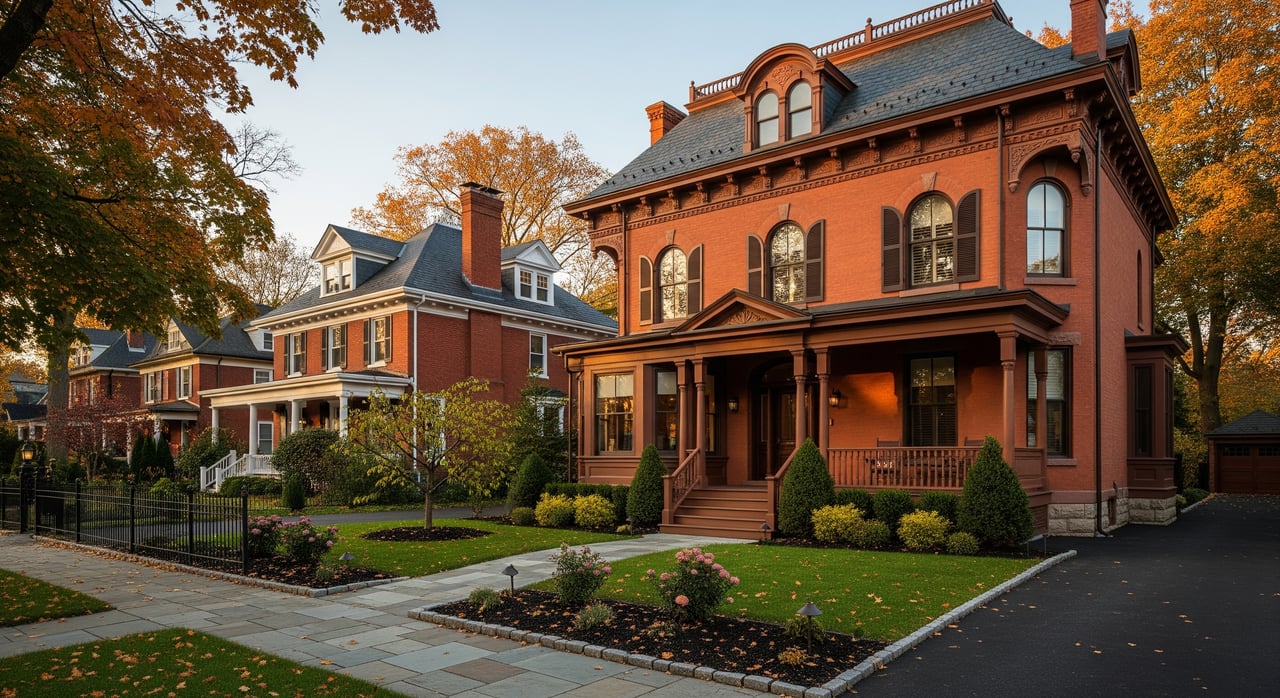
Not sure how to tell an Ambler twin from a Cape Cod or a newer townhome during your search? You’re not alone. Ambler Borough mixes early 20th‑century charm with recent infill, which means layouts, systems, and maintenance needs can vary a lot from house to house. This quick guide walks you through the most common styles you’ll see, what to expect at showings, and how to shop and inspect with confidence. Let’s dive in.
Why Ambler’s mix looks this way
Ambler sits in Montgomery County with a walkable downtown and commuter‑rail access, so smaller older homes and newer infill townhomes show up often. Many houses date from 1900 to 1950, and you’ll see construction details from that era along with modern updates and additions. Narrow urban lots are common, especially for twins and older singles, and off‑street parking can be tight. If you plan exterior changes, check Ambler Borough permits and any local historic guidelines before you start.
Brick twins: classic Ambler feel
What you’ll see
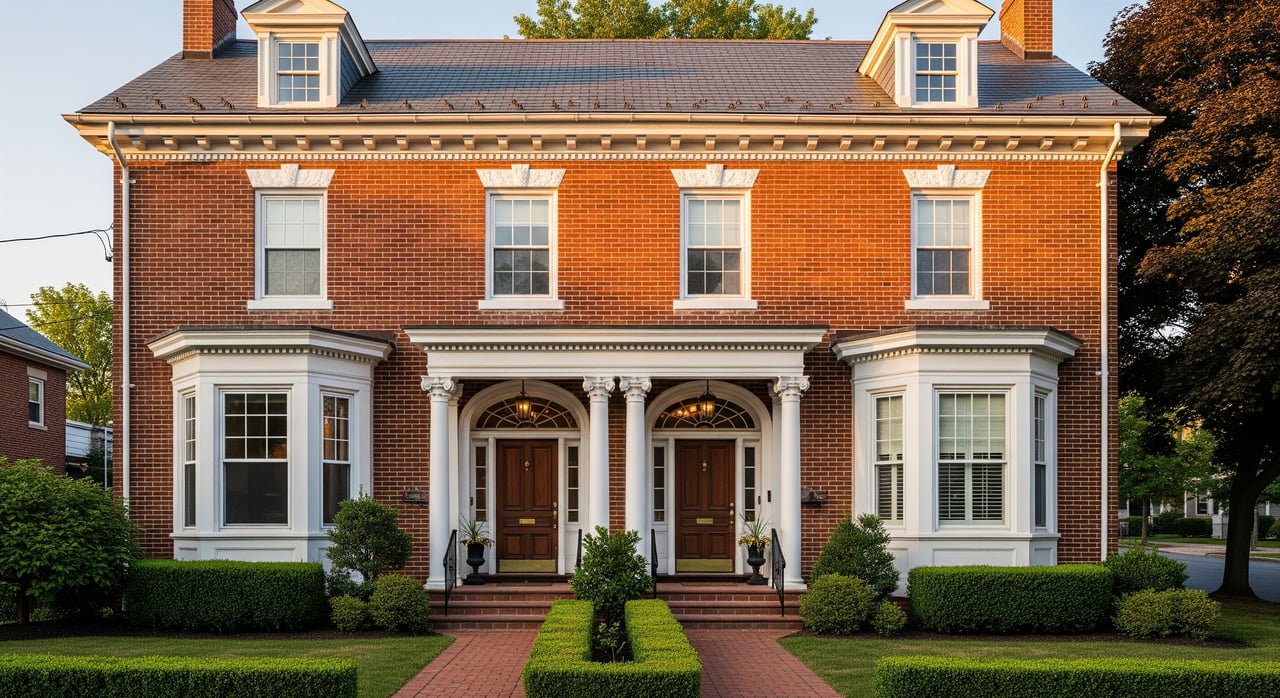
Brick exteriors with a shared party wall are common, often with a front porch or stoop. Many sit on narrow lots with modest side or rear yards. You’ll find these in Ambler’s older streets close to downtown.
Layout and size
Expect 2 to 3 stories with a traditional flow: living room to dining room to kitchen. Upstairs typically offers 2 to 4 bedrooms, and basements are often full but may have low sections. Many fall in the rough range of 1,200 to 2,000 square feet, with local variation.
Renovation notes
- Good candidates for kitchen and bath updates and finishing basements.
- Potential to add a primary bath if layout allows.
- Watch for older wiring, cast‑iron or galvanized plumbing, aging boilers, lead paint in pre‑1978 homes, and insulation gaps.
- Brick repointing and porch repairs are common projects.
Best fit
If you want a near‑downtown lifestyle, a smaller lot, and a price point below many detached homes, twins can be a strong match. They also suit first‑time buyers ready to tackle manageable updates.
Inspection priorities
- Party wall condition, roof and flashing, and brick mortar.
- Foundation and basement moisture.
- Electrical capacity and HVAC age.
Search keywords
“twin,” “semi‑detached,” “brick twin,” “full basement,” “front porch.”
Colonials: room to grow
What you’ll see
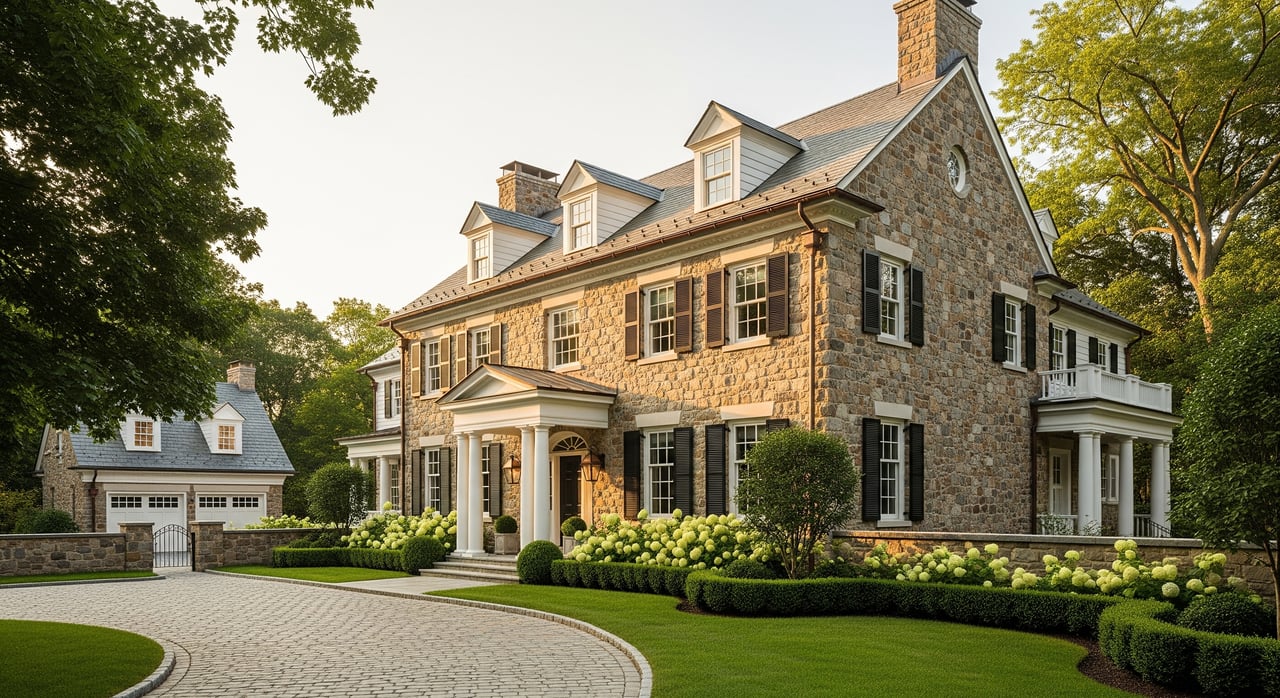
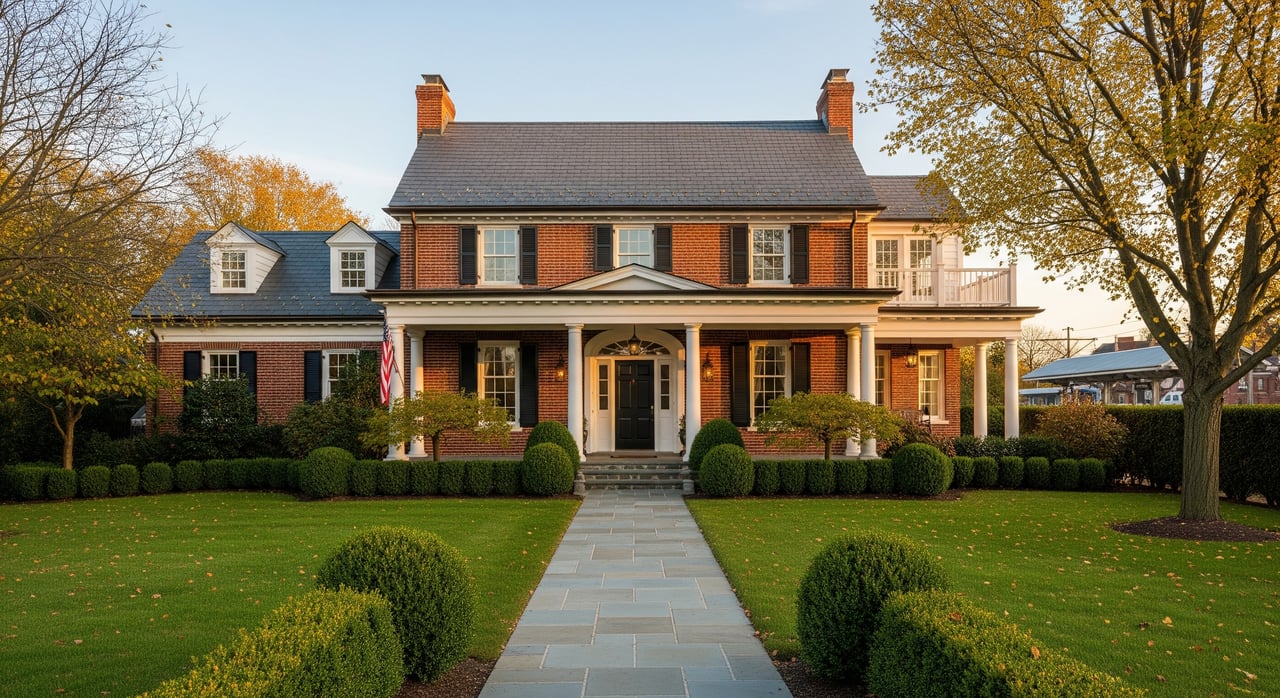
Detached homes with center‑hall or symmetrical plans, often brick or wood‑sided. Many were built mid‑20th century or earlier and may include additions.
Layout and size
Typically 2 to 2.5 stories with a center hall, formal living and dining, and a separate kitchen. You’ll often see 3 to 5 bedrooms upstairs. Sizes can range from about 1,600 square feet to 3,000+ depending on additions.
Renovation notes
- Strong candidates for opening walls to create a larger kitchen.
- Attics and basements may offer bonus space.
- Check for patchwork additions and floor transitions where old meets new.
- Preserve original trim and hardwoods when possible.
Best fit
Move‑up buyers who want more bedrooms and yard space often gravitate to Colonials. These homes work well if you like formal rooms but plan to modernize the kitchen and baths.
Inspection priorities
- Roof and attic ventilation.
- Where additions meet the original structure.
- Chimneys, stone foundations, and mechanical system ages.
Search keywords
“Colonial,” “center hall colonial,” “3+ beds,” “detached single‑family.”
Cape Cods: cozy and flexible
What you’ll see
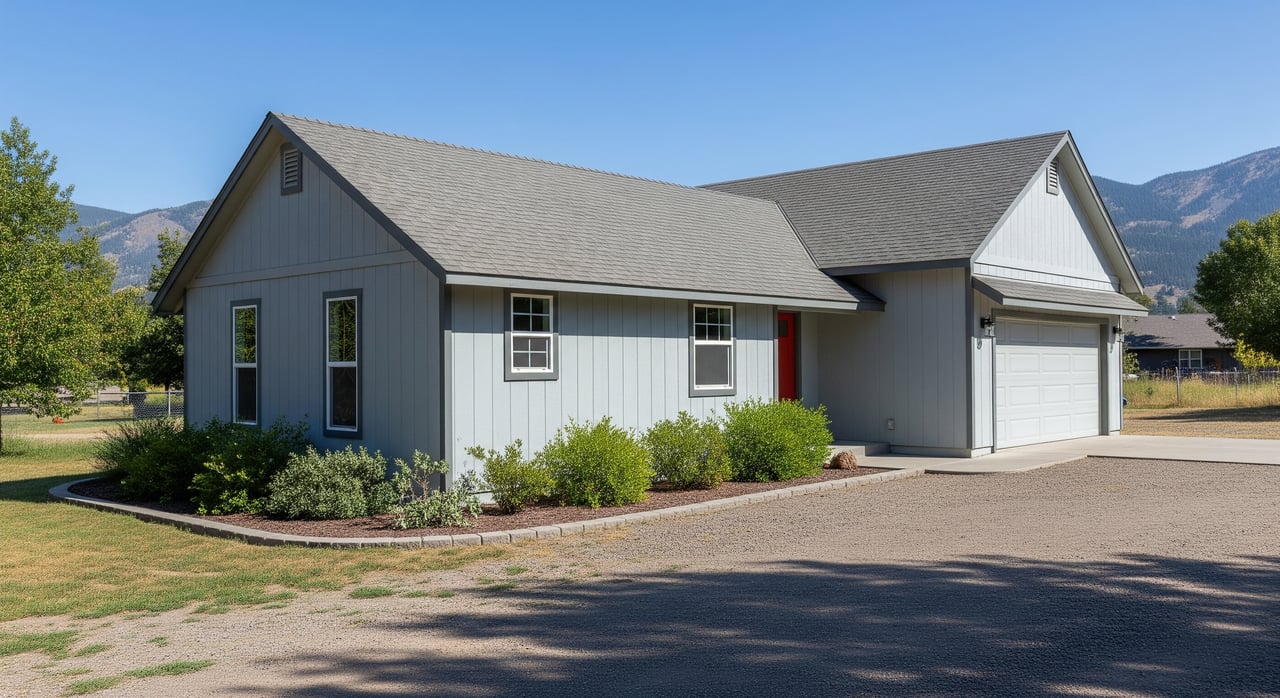
Compact 1 to 1.5 story homes, often with dormers, from the 1930s to 1950s. Modest lots and driveways are typical.
Layout and size
Main floors often include a living room, a smaller kitchen, and 1 to 2 bedrooms. Upstairs spaces sit under the roofline and may have low eaves. Many range roughly from 900 to 1,600 square feet.
Renovation notes
- Great for creative reconfigurations and kitchen/bath updates.
- Consider dormer expansions if zoning allows to gain headroom and storage.
- Plan for insulation improvements in attics and rooflines.
Best fit
If you want main‑level living with bonus space upstairs, a Cape can be a smart, budget‑friendly option. Downsizers and first‑time buyers often find good value here.
Inspection priorities
- Roof condition and attic insulation.
- Egress and stair safety for upper rooms.
- HVAC sizing and window/door efficiency.
Search keywords
“Cape Cod,” “Cape,” “1.5 story,” “dormers.”
Newer townhomes: low‑maintenance living
What you’ll see
Infill townhomes from the last 10 to 25 years with vinyl, stone, or brick accents. Many sit close to downtown and the train station.
Layout and size
Three‑story plans are common: garage and entry below, open‑plan living and kitchen on the main level, and bedrooms above. Typical sizes range from about 1,200 to 2,200 square feet with 2 to 4 bedrooms.
Renovation notes
- Newer systems mean less immediate work than older homes.
- Finishes can date more quickly; kitchens and baths may be future update targets.
- HOA rules often limit exterior changes, so review them carefully.
Best fit
If you want a garage, modern systems, and a predictable layout near shops and transit, newer townhomes deliver. They suit commuters and anyone seeking lower‑maintenance living.
Inspection priorities
- Fire separation at the garage, drainage and sump systems.
- Roof condition and any builder warranty status.
- HOA financials, reserves, restrictions, and recent assessments.
Search keywords
“townhome,” “townhouse,” “new construction,” “3 story townhome,” “HOA.”
Renovation and budget basics in Ambler
Older Ambler homes can come with era‑specific systems. Electrical upgrades are common if you encounter knob‑and‑tube or undersized service. Galvanized or cast‑iron plumbing may need replacement, and a sewer scope can be wise for older lines. Moisture control matters. Assess grading, gutters, and downspouts, and look for signs of past basement water. For pre‑1978 homes, plan for lead‑based paint safety and be mindful that asbestos can appear in older insulation or flooring. If you plan exterior changes, confirm permit requirements and historic design reviews with Ambler Borough before you commit to a scope or timeline. Obtain multiple written estimates and verify licensing and insurance for contractors.
Smart search checklist
Filters and keywords
- Style: “twin,” “semi‑detached,” “Colonial,” “Cape Cod,” “townhome,” “brick.”
- Features: “full basement,” “finished basement,” “attached garage,” “off‑street parking,” “dormers,” “front porch,” “open plan.”
- Condition: “original condition,” “updated kitchen,” “recently renovated,” “new roof,” “built [year].”
- Location cues: “walkable downtown,” “near Ambler station,” “short commute.”
Showing questions to ask
- Year built and ages of roof, HVAC, hot water heater, and electrical service.
- Past issues: water, settlement, foundation, pest treatments.
- Permits and approvals for additions or major remodels.
- Utilities and average costs; any prior insurance claims.
- For attached homes: party‑wall maintenance and shared drains.
- For townhomes: HOA fees, what’s included, recent special assessments, reserves.
Contingencies and inspections
- General home inspection covering structure, roof, drainage, HVAC, electrical, and plumbing.
- As indicated: sewer scope, termite, chimney, mold/air testing, lead risk assessment, asbestos survey if you’ll disturb materials.
- Obtain quotes for planned work before waiving major contingencies.
Make your Ambler search easier
Each Ambler style has a different feel, footprint, and maintenance profile. When you know how twins, Colonials, Capes, and townhomes compare, you can tour with sharper eyes and make cleaner offers. If you want local guidance that blends neighborhood insight with practical inspection and renovation advice, reach out to Brandon Byrne.
FAQs
What is a brick twin in Ambler?
- A semi‑detached home with a shared party wall, often brick with a porch, narrow lot, and a traditional living‑dining‑kitchen flow.
How do HOA fees work in Ambler townhomes?
- Many newer townhomes have an HOA that maintains shared areas and sets exterior rules, so review fees, budgets, reserves, and recent assessments.
Are older Ambler homes tough to finance?
- Lenders may flag safety or habitability items like outdated wiring or roof issues, so plan to address repairs or negotiate credits.
What should I watch for in a Cape Cod?
- Focus on roof condition, attic insulation, egress and stair safety for upper rooms, and HVAC sizing for the whole house.
Do Ambler homes fall under historic rules?
- Parts of Ambler have historically significant streetscapes, so verify with the borough if exterior work requires design review or permits.