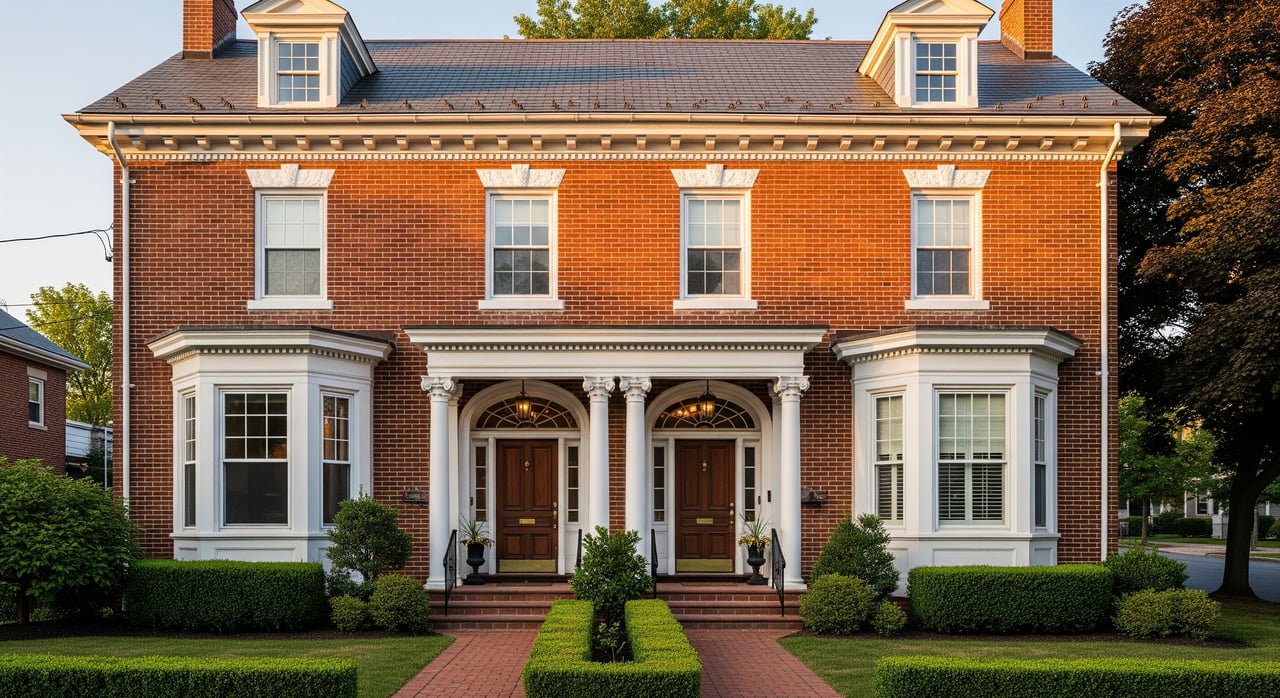
Thinking about a small multi-unit that rents fast and stays full? Hatboro gives you that sweet spot of commuter access, walkable Main Street living, and classic duplexes and twins that appeal to long-term renters. If you want steady income without managing a large building, you’re in the right place.
In this guide, you’ll learn why Hatboro works for duplex investors, how to underwrite deals with confidence, and what to inspect so you avoid costly surprises. You’ll also get practical steps for financing, compliance, and tenant retention. Let’s dive in.
Why Hatboro works for duplex investors
Hatboro sits along SEPTA’s Warminster Line, which connects renters to Center City and regional job hubs. Easy rail access is one of the strongest demand drivers for local rentals, especially for commuters who prefer to skip highway traffic. You can review service details on SEPTA’s Warminster Line.
Downtown Hatboro offers walkable access to shops, restaurants, and services along Main Street. Units within a few blocks of downtown and the station typically see stronger demand and lower vacancy. The borough is served by Hatboro-Horsham School District, and many duplexes and twins feature 2–3 bedrooms, porches, basements, and small yards that fit long-term renter needs.
How location affects rents and vacancy
- Closer to the station and Main Street usually means stronger demand and higher achievable rent.
- Walkable corridors often attract younger professionals, while duplexes and twins that feel like single-family homes appeal to families who tend to stay longer.
- Parking matters. If a property has limited off-street parking and tight on-street options, plan for that in your underwriting and tenant marketing.
Duplex vs twin: key differences
- Duplex: One building with two units on a single lot, arranged side-by-side or stacked, typically under one roof.
- Twin (semi-detached): Two homes sharing one party wall, often with separate utilities and street addresses. Twins often feel more like single-family homes.
Investor takeaways:
- Financing: Twins can be easier to finance as owner-occupied two-unit properties if you live in one side.
- Utilities: Separately metered utilities reduce landlord exposure to utility bills and reduce disputes. Confirm separation before closing or budget to separate later.
- Shared elements: With twins, coordinate exterior maintenance and roofing across both sides. Plan reserves accordingly.
Run the numbers with confidence
Solid underwriting is your best risk control. Start with a simple framework and test a few scenarios.
- Net Operating Income (NOI) = Effective Gross Income (rents minus vacancy/credit loss) − Operating Expenses (taxes, insurance, maintenance, management, landlord-paid utilities, reserves).
- Capitalization Rate (Cap Rate) = NOI / Purchase Price. Example: if NOI is $28,000 and the price is $350,000, cap rate is 8.0%.
- Gross Rent Multiplier (GRM) = Purchase Price / Annual Gross Scheduled Rent. Use for quick screening.
- Cash-on-Cash Return = Annual pre-tax cash flow (after debt service) / Total cash invested.
- DSCR (Debt Service Coverage Ratio) = NOI / Annual Debt Service. Many lenders like to see DSCR above 1.2 for investment properties.
Baseline assumptions to test:
- Vacancy and credit loss: 5–10% (use 10% if you want to be conservative).
- Operating expense ratio: 30–50% of effective gross income for small multifamily. Older homes trend higher.
- CapEx reserves: $500–$1,500 per unit per year, based on age and condition.
- Turnover costs: $500–$3,000 per unit, depending on condition and contractor rates.
Pro tip: Run three versions of every deal. Conservative, baseline, and optimistic. This stress test shows how sensitive your returns are to vacancy, taxes, and repairs.
Due diligence that prevents costly surprises
Focus first on what keeps units safe, dry, efficient, and comfortable. That is how you reduce turnover and emergency repairs.
Structure and safety priorities
- Roof age and condition, and any signs of water intrusion.
- Foundation and basement moisture. Look for active water entry and high humidity.
- Porches, stoops, and stairs. Repair any unsafe conditions.
- Exterior envelope. Check grading, gutters, downspouts, and siding or brick repointing.
Mechanical systems to evaluate
- HVAC: Age, service records, and fuel type. Separate systems help with tenant control and lower landlord utility risk.
- Electrical: Panel capacity, presence of outdated wiring, and adequate outlets for modern use.
- Plumbing: Look for older piping, sewer lateral condition, and water heater age and capacity.
- Energy efficiency: Window seals and attic insulation affect heating costs and comfort.
Health, safety, and compliance
- Smoke and carbon monoxide alarms per state and local rules.
- Lead paint compliance for homes built before 1978. Follow disclosure and remediation requirements.
- Safe egress routes and secure doors and windows.
- Rental licensing, inspections, and certificates where required. Confirm with Hatboro Borough for current rules.
- Zoning and occupancy. Verify legal unit count and bedroom configuration match permits.
Unit features that reduce vacancy
- Separate entrances and clear unit boundaries for privacy.
- Separate utilities or a fair and documented allocation method.
- Laundry access. In-unit or on-site laundry boosts appeal.
- Parking. Dedicated off-street parking is a high-value amenity.
- Outdoor space. Usable yards or porches support longer stays.
Title and documentation
- Verify property tax history, liens, and any open municipal violations.
- Confirm that the unit configuration is legal. Unpermitted conversions can trigger costly remediation.
Local rules, taxes, and insurance basics
- Municipal requirements: Many Pennsylvania boroughs require rental registration and inspections. Confirm specifics with Hatboro Borough before you list a unit for rent.
- Landlord-tenant law: Pennsylvania’s Landlord and Tenant Act of 1951 governs security deposits, notices, and other procedures. Align your leases and processes with state requirements.
- Property taxes: Use current tax bills and model annual increases of 1–3% in your projections.
- Depreciation: Residential rental buildings depreciate over 27.5 years. Land value is not depreciable.
- Flood risk: Check the FEMA Flood Map Service Center for flood zone status and insurance requirements.
- Insurance: Landlord policies should cover structure, liability, loss of rents, and any detached structures. Consider an umbrella policy for added protection.
Financing options for two-unit properties
- Owner-occupant loans: FHA or conventional programs for 2-unit homes often require lower down payments if you live in one unit. Verify occupancy timelines with your lender.
- Investor loans: Conventional investment mortgages often require 20–25% down for two-unit properties. Lenders will review DSCR and your borrower profile.
- Renovation financing: An FHA 203(k) renovation loan can fund repairs for owner-occupied purchases. Investors can look into Fannie Mae Homestyle or local bank rehab options.
- Local lenders: Community banks and credit unions sometimes offer flexible terms for small multi-units. Shop rates and fees, and compare both fixed and adjustable options.
Management and tenant retention
- Screening: Use consistent, non-discriminatory criteria. Many landlords look for income-to-rent ratios around 2.5–3 times rent, plus credit and eviction history.
- Lease terms: Standard 12-month leases help control turnover. Clarify maintenance responsibilities and renewal timelines.
- Responsiveness: Fast, reliable repair response is one of the best ways to retain great tenants.
- Pets and smoking: Clear, fair policies reduce conflict. Pet-friendly options with appropriate fees can widen your tenant pool.
- Self-manage or hire: Local managers often charge 8–10% of collected rent, plus placement fees. Self-managing can save costs if you have time and reliable contractors.
Rehab priorities that pay off
- Stop water intrusion first. Address roof, gutters, grading, and basement waterproofing.
- Modernize critical systems. Reliable electrical, heating, and hot water keep calls down and tenants happy.
- Fix safety items. Stairs, rails, porches, and smoke/CO alarms come before cosmetics.
- Improve durable finishes. Focus on sturdy flooring and functional kitchens and baths that clean well and last.
- Choose low-maintenance exteriors and landscaping.
Quick acquisition checklist
- Walk the block during commute hours. Note parking and noise.
- Verify legal unit count and bedrooms with the borough.
- Order a roof inspection and a sewer scope if age or condition is uncertain.
- Build rent comps from multiple sources and local insights.
- Get lender scenarios for owner-occupied versus investor terms.
- Separate immediate safety/code repairs from cosmetic upgrades in your budget.
- Pull property tax bills and check for municipal liens or open violations.
- Review leases and security deposit handling for Pennsylvania compliance.
- Prepare a 12-month pro forma with conservative vacancy and CapEx.
Make data-driven decisions with local context
Small multi-units in Hatboro offer a blend of steady demand, walkable amenities, and classic layouts that renters value. When you focus on transit access, unit function, and conservative underwriting, you set yourself up for low vacancy and predictable cash flow. Pair that with a careful inspection plan and clear tenant policies, and your duplex or twin can be a durable, low-drama investment.
If you want local insight on active and upcoming two-unit opportunities, or you’d like a second set of eyes on your underwriting and inspection plan, reach out to Brandon Byrne. You’ll get neighborhood-specific guidance, clear next steps, and responsive support from offer to keys.
FAQs
What makes Hatboro attractive for duplex investors?
- Rail access on the Warminster Line, a walkable downtown, and classic 2–3 bedroom layouts support strong renter demand and lower vacancy.
How close to the train should I buy in Hatboro?
- Properties within a short walk of the station and Main Street typically see higher demand and stronger rent potential than homes farther from transit.
What is the difference between a duplex and a twin?
- A duplex is one building with two units on a single lot, while a twin is a semi-detached pair that shares one wall and often has separate addresses and utilities.
How do I estimate cap rate on a Hatboro duplex?
- Use Cap Rate = NOI / Purchase Price. For example, $28,000 NOI on a $350,000 purchase produces an 8% cap rate.
What inspections are most important before I buy?
- Prioritize roof, foundation and moisture, mechanical systems, electrical and plumbing, safety items, and legal unit verification with the borough.
Do I need separate utilities to rent both units?
- Separate utilities help reduce landlord expenses and disputes, but they are not always required. Confirm local rules and factor any conversion costs into underwriting.
Does Pennsylvania law affect my leases and deposits?
- Yes. The Pennsylvania Landlord and Tenant Act of 1951 governs key leasing, deposit, and notice rules, so align your lease terms and processes accordingly.
How can I reduce turnover in a Hatboro duplex or twin?
- Offer clean, functional units with good lighting, reliable systems, laundry access, clear policies, and fast repair response to keep great tenants long term.
Should I check flood risk in Hatboro?
- Yes. Review the FEMA Flood Map Service Center to confirm flood zone status and any insurance requirements.
What financing options exist for owner-occupying one unit?
- Look at FHA or conventional 2-unit programs with lower down payments, and consider an FHA 203(k) renovation loan if repairs are needed.