Thinking about trading highway traffic for a one-seat ride into Center City? If you are eyeing a home near Warminster Station in Bucks County, you are not alone. Many buyers prioritize rail access for a simpler commute while keeping the benefits of a suburban lifestyle. In this guide, you will learn what it is really like to live near the station, including commute realities, walkability, parking, lifestyle tradeoffs, and how proximity can influence price and demand. Let’s dive in.
Who benefits most here
Living near Warminster Station tends to fit you if you want consistent rail access to Center City Philadelphia without giving up a yard, driveway, or quiet street. Commuters who value a predictable routine, downsizers aiming to reduce car dependence, and investors seeking rental appeal from transit access often focus on this area. If your work or lifestyle involves frequent trips downtown, being close to a terminus station can be a practical advantage.
Commute on the Warminster Line
Route and transfers
Warminster Station is the northern terminus of SEPTA’s Warminster Regional Rail Line. You get a one-seat ride to Center City’s core stations, with connections available to other lines and employment hubs along the way. This routing saves you a transfer compared to some suburban options and is a main reason buyers target this location.
Schedules and timing
SEPTA’s regional rail lines typically run more frequently during weekday peaks and less frequently during off-peak and weekends. Scheduled ride times from Warminster to Center City can vary by train and time of day. For exact first and last trains, current headways, and typical scheduled trip times, review the latest SEPTA timetable before you plan your routine. If your work hours are flexible, you may find off-peak trains less crowded but also less frequent.
Reliability and rider tips
System ridership and reliability have shifted since 2020, with agencies tracking performance closely. Before you rely on a specific train, check current service alerts and on-time performance trends. A few practical tips help most commuters:
- Build a small buffer into your morning schedule.
- Keep a backup plan for off-peak or late-evening returns.
- If you are new to the line, do a trial run during your typical commute window.
Getting to the station
Walkability and bikes
Warminster Township is largely suburban, and the station area reflects that pattern. You will find commuter parking, small retail, and pockets of multi-family housing near the terminus. Sidewalk coverage can vary by block, so your exact address will shape whether you can reliably walk daily. If you prefer biking, look for bike racks at the station and review local routes or lanes that connect your street to the platforms. Confirm ADA features, shelters, lighting, and real-time displays on the station page so you know what to expect in all seasons.
Parking and drop-off
As a suburban terminus, Warminster Station typically offers a sizable park-and-ride with a mix of daily spaces and permits or reserved areas. Morning demand can be strong on weekdays. If you plan to drive, learn the current rules, fees, and any permit waitlists before you move. Ask about enforcement hours, restrictions on nearby streets, and whether there are designated kiss-and-ride or rideshare drop-off zones. Having a backup plan, such as arriving earlier or coordinating a drop-off, can save you a scramble when lots are busy.
Driving access
Peak-period congestion near the station can create short bottlenecks at signals and entrances. It helps to test your route during your typical morning and evening windows. Watch for any township traffic-calming or signal projects that could change flow over time, and remember that small timing tweaks can make a daily difference.
Lifestyle tradeoffs near the tracks
Noise and vibration
Terminus stations can bring periodic noise from train horns, announcements, and idling. SEPTA Regional Rail in the Philadelphia region uses electric power, which typically reduces engine noise compared with diesel trains. Even so, the closer your home is to the tracks or platforms, the more you will notice rail activity. Simple mitigations like double-glazed windows, landscape buffers, and interior soundproofing help many homeowners. Walk the block at different times of day to gauge your comfort level.
Safety and lighting
Perception of safety often hinges on lighting, sightlines, and how busy a station feels during your travel times. Look for visible cameras, posted security information, and well-lit paths from the platform to your street. Review local police crime maps and recent reports for factual context. Many buyers find that checking conditions after dark and during late-evening arrivals gives them the clearest picture.
Nearby amenities
Within a short radius, you will typically find convenience retail, casual dining, and services that suit quick errands. For larger grocery shops, gyms, and specialty stores, a short drive is common in this suburban setting. Map your essentials within 0.25 to 0.5 miles and decide what you want to reach on foot versus by car.
Housing and price expectations
What you will find
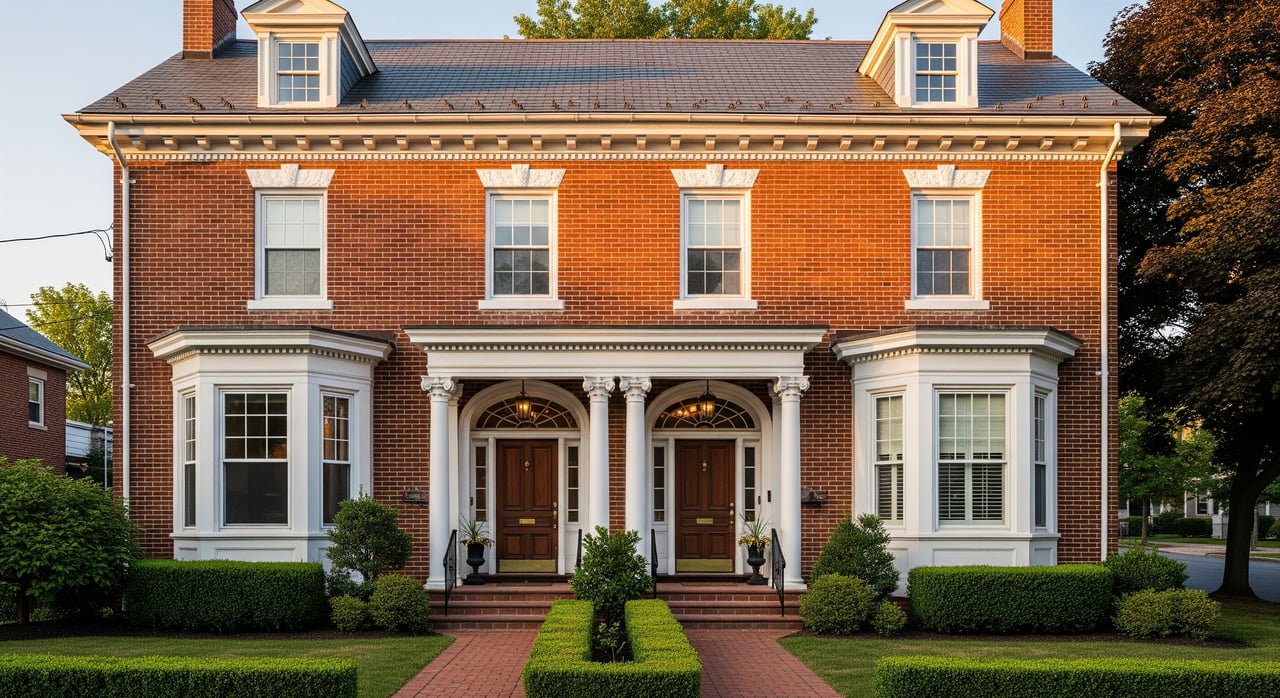
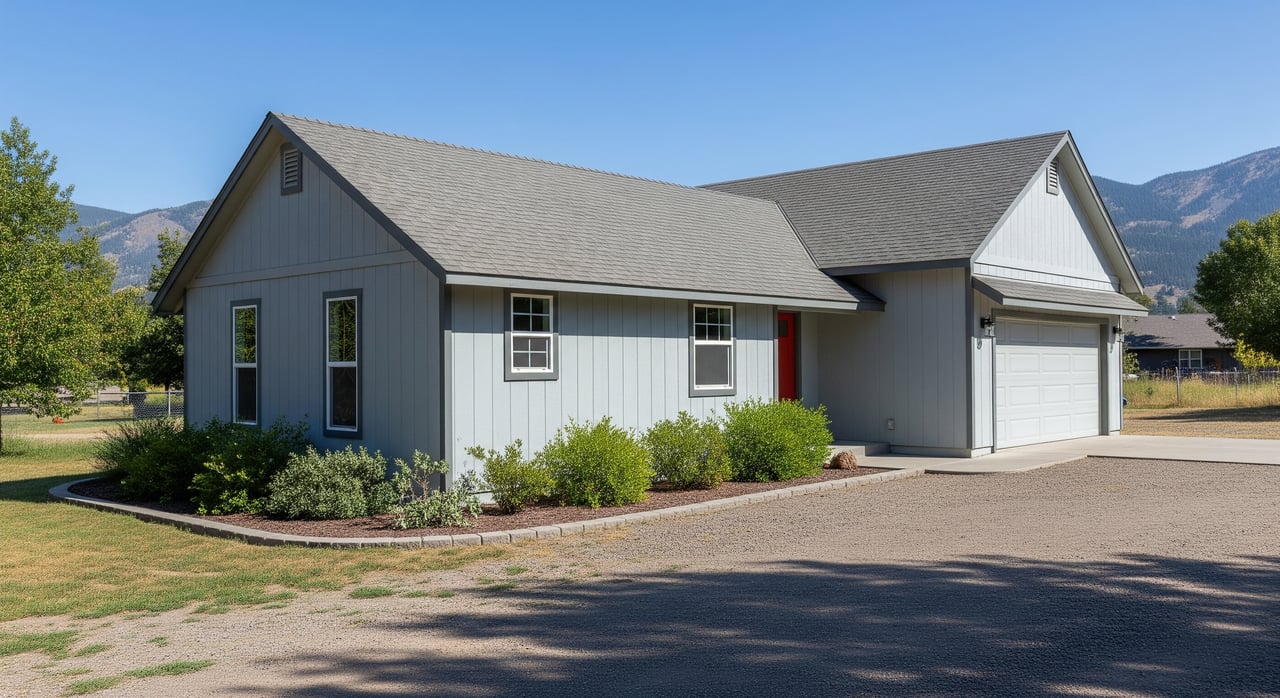
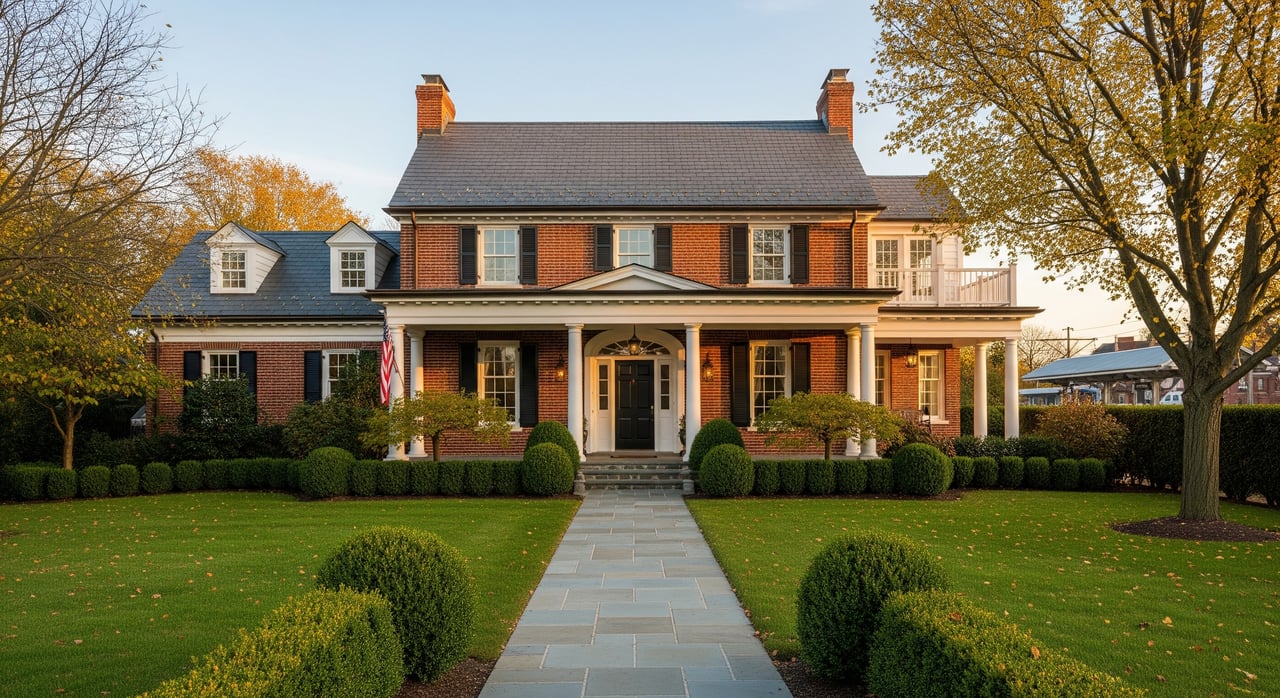
Within a mile of the station, you will usually see a mix of suburban single-family homes, townhouses, small condo communities, and low-rise apartment buildings. Many detached homes were built post-war through late-20th century, with renovations varying by block. Townhouses and condos near the station appeal to commuters who value lower maintenance.
How proximity affects price
Being close to a commuter rail station often carries a modest premium for buyers who prioritize transit access. The size of that premium can depend on property type, renovation level, and broader market conditions. Expect condos and townhouses near the station to serve as entry points for many commuters. Small detached homes often occupy the mid-range, while larger renovated or newer homes can reach higher price bands. Exact numbers shift with interest rates and inventory, so rely on current MLS comps to confirm.
Inventory and competition
When inventory is tight and days-on-market are short, properties near the station can move quickly. That is especially true for homes that balance walkability to transit with parking, outdoor space, and updated interiors. If you are buying, have your financing, timeline, and must-have list ready. If you are selling, polished marketing and accurate pricing are essential to capture motivated commuter demand.
Pros and cons at a glance
Pros
- One-seat rail access to Center City from a suburban base.
- Mix of housing types within a short drive or walk of the station.
- Park-and-ride convenience with options for permits or daily parking.
- Solid resale and rental appeal for transit-focused buyers and tenants.
Cons
- Morning parking can fill, especially on busy weekdays.
- Off-peak trains are less frequent than peak-period service.
- Train noise and announcements are noticeable closest to the tracks.
- Some errands still require a car in this suburban setting.
Buyer checklist for Warminster Station
Use this quick checklist to verify details that change over time:
- Commute proof: Review the current SEPTA Warminster Line timetable, including first and last trains and scheduled ride times to Center City.
- Reliability scan: Check recent service alerts and on-time performance trends.
- Parking rules: Confirm station parking capacity, daily fees, permit availability, enforcement, and any nearby municipal or overflow options.
- Station amenities: Verify ADA features, shelters, lighting, and real-time displays before you commit to a daily routine.
- Walkability test: Walk your route to the station and key errands. Look up sidewalk coverage and bike rack availability.
- Market reality: Pull MLS sold comps for 0.5 mile, 0.5–1 mile, and township-wide over the last 6–12 months. Review days-on-market and sale-to-list ratios.
- Local planning: Scan township meeting minutes for any pending changes to parking, traffic, or station-area development that could affect your street.
- Safety context: Review local police crime maps and visit at the times you plan to travel.
How to approach your search
Start by defining what matters most: a short walk to the platform, driveway parking, or more interior space. From there, focus on a few target blocks and track recent sales nearby to understand value patterns. If you plan to rely on parking, learn the morning fill patterns and consider a permit if available. If you want quieter evenings, look at streets one or two blocks removed from the tracks and test for ambient noise during rush hour.
When you shortlist homes, compare the commute you will actually take. A property that is two streets closer to the station might outweigh an extra 150 square feet if transit is your priority. On the selling side, highlight how your property simplifies the daily routine for commuters. Clear photos of the walk route, driveway, and storage for bikes or strollers can help buyers picture daily life.
The bottom line
If rail access is near the top of your wish list, living near Warminster Station is a practical way to reduce daily friction while staying in a suburban setting. You will trade some quiet and weekend flexibility for the convenience of a direct ride into Center City, but many buyers feel the balance is worth it. With accurate comps, a clear view of parking and schedules, and a plan for first and last mile, you can buy or sell here with confidence.
Ready to pinpoint the right block, tour commuter-friendly homes, or price your property to capture transit demand? Reach out to Brandon Byrne for local guidance and a streamlined plan.
FAQs
How long is the Warminster-to-Center City train ride?
- Check the current SEPTA timetable for scheduled trip times and note that peak trains are typically more frequent than off-peak and weekend service.
Is weekday morning parking at Warminster Station reliable?
- Morning demand can be strong; confirm daily versus permit options, fees, and any waitlists, and consider arriving earlier or using drop-off or rideshare as a backup.
Are there condos or rentals close to the station?
- Yes, you will find townhouses, small condo communities, and apartments within a short radius; review current MLS and local listings for up-to-date availability.
Will living next to the tracks be noisy?
- Train activity is more noticeable close to the tracks, though electric regional rail typically reduces engine noise; test the area at rush hour and consider window and landscape buffers.
Can I run daily errands on foot near the station?
- You will find convenience retail and services nearby, but many residents still drive for larger grocery trips and specialty shopping typical of suburban areas.
How does proximity to the station affect resale value?
- Transit access often supports steady resale and rental demand, with any price premium depending on property type, renovation level, and current inventory; verify with recent comps.